Get Attached with PhoenixTM
……………………………………………….Smarter Thermocouple Solutions for Every Surface
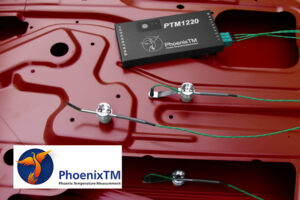
A key component in any thru-process temperature profiling system is the thermocouple. Obviously at the end of the day the quality of any temperature data recorded is greatly influenced by how accurately and repeatably the thermocouple sensor “Hot Junction” can be secured to the product surface. The increasing diverse mix of materials being used in manufacturing (steel, aluminium, alloys, plastics and composites) creates a significant temperature measurement challenge. The thermocouple needs to provide easy, reliable, and efficient attachment to the material type being measured. One thermocouple design alone will now not suffice. To address the problem PhoenixTM offers a comprehensive range of thermocouple designs developed for the challenge in hand.
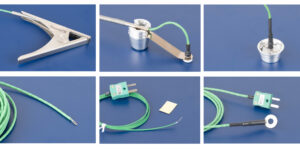
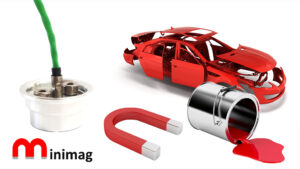
For routine temperature monitoring of steel, as part of paint/powder coating cure QA the default thermocouple type has been the magnetic thermocouple. The thermocouple design allows quick, easy but accurate and repeatable placement of the measurement sensor on the steel surface. To address the ever-increasing space limitations in many applications the standard magnetic thermocouple design has been complemented by the MiniMag thermocouple. The sensor head is only 30 mm diameter and 15 mm high so the MiniMag will fit in places previously impossible using traditional magnetic thermocouple designs. The design allows for use even in areas where the surface may not be flat.
The strong samarium cobalt magnet allows quick reliable strong fixing (Max Energy Product 32 MGOe) to any steel surface and is almost totally unaffected by temperature even at 200 °C. The Samarium Cobalt (Sm2Co17) magnet has a magnet temperature coefficient of only -0.03% per degree °C. This means only 7% loss in magnetic strength even when operating at 250 °C. The magnet is encapsulated within the thermocouple housing so there is no direct contact between magnet and coating. This creates a significant benefit for coating processes such as Ecoat where adhesion between the thermocouple and cured coating layer may be problematic. The MiniMag thermocouple can be removed efficiently post cure without any risk of damage to the magnet and significantly less risk of damage to the product coating.
In routine monitoring thermocouple cable damage over time is to be expected with the physical and thermal demands of many processes. Conventionally this would necessitate the costly replacement of the complete damaged thermocouple. To minimise the cost of such action PhoenixTM have designed the magnetic and clamp thermocouples with a unique replaceable cable option. This design feature offers a cost-effective on-site repair solution, reducing long-term running costs. Customisation of the cable lengths to suit changes in different applications is a further benefit of the interchangeable cable design.
For nonferrous metals such as aluminium the go to thermocouple of choice is the clamp thermocouple alternatively for permanently rigged test pieces the washer thermocouple may also be a viable option. For composites, plastics the recommended thermocouple is the responsive, low thermal mass, exposed junction thermocouple attached using high temperature tape. The versatile thermocouple can also be used also for air/environment monitoring possibly during essential oven survey operations (TUS). The exposed junction thermocouple is the perfect choice if monitoring paint cure in an IR oven (electric emitter or catalytic gas / radiant heater). The low thermal mass thermocouple can be overcoated to measure accurately the rapid surface heating at the interface between substrate surface and the coating, making it ideal for the challenges of the IR Cure application.
If confidence in measurement accuracy and precision is important in your product temperature profiling strategies, remember the thermocouple you choose is critical.
Contact PhoenixTM today to learn more about how we can help you maximise your test and measurement performance and reduce consumable costs.